

Race Equity · Community
When care is not built to hear you
What Dr Sofia Buncy and colleagues ask of prison, health and probation services.
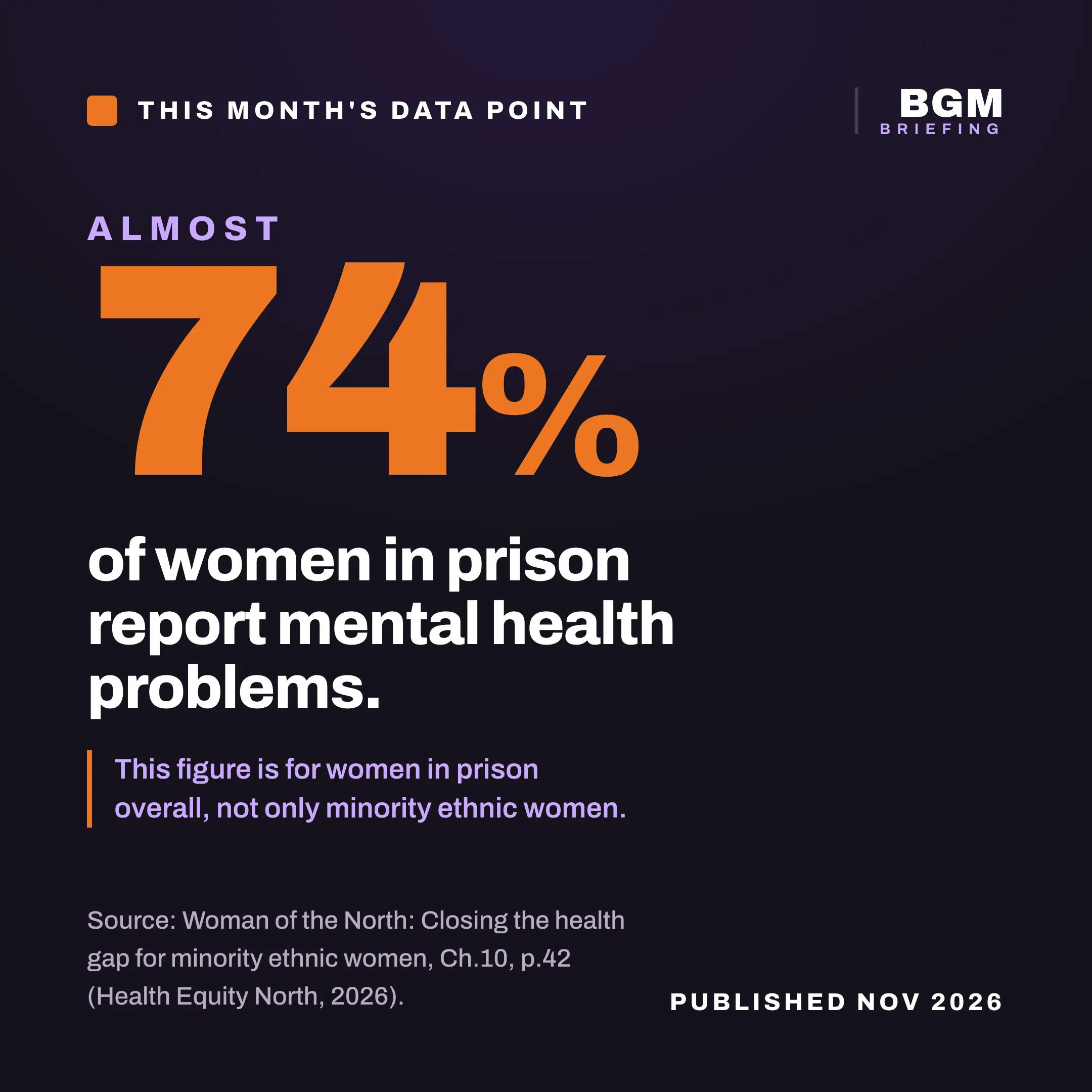
The chapter’s Muslim Women in Prison Project case study makes the point practical. It shows how a woman who has had limited freedom to seek healthcare independently, or who fears shame and judgement, may be expected in custody to explain intimate health needs alone and to keep asking until someone listens. When distress is treated as a normal response to prison rather than a signal that needs investigation, the harm does not disappear. It is simply managed out of sight.
Dr Sofia Buncy, from the award-winning Muslim Women in Prison Project, said: “Faith-sensitive, culturally competent support must never be viewed as an optional extra. For many women, particularly those from minoritised communities, faith, culture and identity are central to how they understand themselves, build trust and engage with services. When support recognises and respects these realities, women are far more likely to feel seen, heard and empowered. If we are serious about promoting rehabilitation, wellbeing and inclusion, then culturally and faith-responsive support must be embedded at the heart of service delivery, not added as an afterthought.”
The Muslim Women in Prison Project, based at Khidmat Centres in Bradford, turns that analysis into practical, community-led support. Established in 2013, it provides prison drop-ins before release and through-the-gate support afterwards. Its work includes safe accommodation, benefits, family and child mediation, and routes into education, training, volunteering and employment. It works with HMP/YOI New Hall, Askham Grange, probation and women’s organisations, while also using research and advocacy to make Muslim women’s voices harder to ignore.
That matters because specialist provision should not be asked to patch every gap left by the state. Its value lies in relationships, faith and cultural knowledge, and an understanding that safety may mean rebuilding family ties for one woman and finding distance from them for another. The question for prison healthcare, probation and commissioners is not whether community organisations can “add value”. It is whether services are willing to fund and share power with the people who understand what safety, dignity and recovery look like in practice.
The chapter calls for linked data on health and justice, proactive access to legal and specialist support, sustainable funding for intersectional services, and meaningful involvement of women with lived experience in service design. This is not a request for another awareness session. It is a call to change who is listened to, who is paid, and who is trusted to shape care.
Read more: Woman of the North: Closing the health gap for minority ethnic women